

Neurosurgical procedures present unique anesthetic challenges, particularly when working near the spinal cord where even minor swelling can lead to significant complications. In this informative webinar, Dr. Vince Mendenhall will share practical strategies for anesthetic management designed to reduce spinal cord swelling, improve surgical conditions, and minimize postoperative neurological deficits.
Drawing from extensive experience in preclinical surgery, Dr. Mendenhall will explain how targeted anesthetic protocols—including fluid management, pharmacologic interventions, and controlled ventilation—can significantly improve outcomes in neurosurgical procedures. Attendees will learn how to manage “third spacing” and edema, optimize intraoperative conditions, and apply evidence-based techniques that support safer surgeries across multiple laboratory animal species.
Backed by more than five years of clinical application and over 200 cases, this approach has reduced postoperative neurological deficits to less than 2%, demonstrating the impact of thoughtful anesthetic planning and precise surgical management.
This session will provide valuable insights for veterinary surgeons, anesthetists, and research professionals involved in neurosurgical and spinal procedures in laboratory animal models.
Presenter
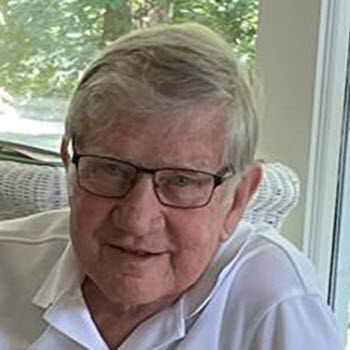
Vince Mendenhall
DVM, PhD
Consultant, Preclinical Surgery
Vince Mendenhall received his Doctor of Veterinary Medicine degree at Colorado State University (CSU) in 1968, and his Ph.D. in Experimental (Preclinical) Surgery/Comparative Anatomy, also from CSU, in 1981. In 1975, he joined 3M Company where he developed their Department of Surgical Research as it related to Medical Device development. There, he worked in all areas of experimental surgical techniques, including neuro-orthopedic, ophthalmic, cardiovascular, microvascular, wound healing, and abdominal surgery in all species of laboratory animals. He completed more than five hundred research projects in these areas in the 17 years he was at 3M, and is co-holder of the patents on Tegaderm®, the Microvascular Anastomotic Device™, the Ligament Augmentation Device®, DuraPrep™, silicone malleable retractors, and a biconvex, reverse haptic, hydrogel intraocular lens. He continued these efforts at Primedica/Charles River’s Preclinical Services, Massachusetts, from 1993 to 2008, developing many new surgical models for Safety Pharmacology, Pharmacokinetics and Experimental Medicine. He continued all these efforts and his lengthy career in experimental surgery as Director of Preclinical Surgical Services and then Preclinical Translational Services at Wake Forest Innovations, from 2008 to 2015.
He now consults with sponsors on preclinical study designs for necessary animal studies on newly developed medical devices in all specialties, performing extensive discovery and developmental work along with pilot studies to establish a definitive GLP protocol. During the developmental stages, he emphasizes the importance of selecting the correct animal model and other techniques to gain definitive results that are translatable to the human condition. He can then accompany the sponsor for necessary FDA panel meetings if so desired.
He helps write definitive protocols regarding the optimal pre-op, anesthesia and surgical procedures, and post-op care. He will usually perform the necessary surgical procedures. He consults in writing the necessary follow up examinations and necropsies and helps direct histopathological and other endpoints, including MRI, CT and microCT examinations. He commonly reviews the final report for the study, making it suitable for submission to the FDA.
He is also involved in specialized toxicology studies from the standpoint of targeted drug delivery and specialized pharmacokinetics, i.e., CSF, bile duct implants for first pass pharmacokinetics, and lymphatic PK to name a few.
He is known worldwide for his innovative surgical techniques in all surgical specialties. To date, he has presented the results of his developmental and definitive work at 187 national and international peer reviewed meetings, published twelve book chapters, and twenty-nine referred publications. He has received many awards for his work in these areas from organizations such as the Academy of Surgical Research (of which he was President in 2005), and the Society for Biomaterials. He was awarded the Jacob Markowitz award by the Academy of Surgical Research in 2018 for his pioneering work in the field of Preclinical Experimental Surgery. He continues to do so today.
The Markowitz award was renamed the Vince Mendenhall award in 2023.